
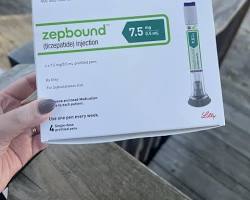

Description of Zepbound
- Role in Dosing: After a patient has completed four weeks each of the initial dose and the dose, a healthcare provider may increase the dose to once weekly if the patient tolerates the medication but requires additional weight loss. Zepbound is increased in increments every four weeks based on response and tolerability, up to a maximum dose of . The dose can be a therapeutic or “maintenance” dose.
- Mechanism of Action: This strength, like all Zepbound doses, is an injectable medication containing tirzepatide, a GIP and GLP-1 receptor agonist. It helps control appetite, increase the feeling of fullness, and slow digestion to aid in weight loss when used alongside a reduced-calorie diet and increased physical activity.
- Form and Administration: It is provided as a liquid solution () in a single-dose, prefilled injection pen or vial, administered once weekly as a subcutaneous injection into the abdomen, thigh, or upper arm.
- Potential Side Effects: The most common side effects remain gastrointestinal in nature, including nausea, diarrhea, vomiting, and abdominal pain. As the dosage increases, patients should continue to be monitored for these and more serious rare side effects, such as pancreatitis or gallbladder problems.
Be the first to review “zepbound 7.5mg”
Related products
Weight Loss
$165.00
$155.00
Weight Loss
$170.00
Weight Loss
$80.00
Weight Loss
$169.00
Weight Loss
$155.00
Weight Loss
$155.00
Weight Loss
$180.00

Reviews
There are no reviews yet.